

A simple NextGen login glitch often feels like the whole credentialing process is broken. What you’re really facing is a patchwork of portals, payers, and follow-ups that no one manages from start to finish. When credentialing delays pile up, it’s not the login that’s holding you back—it’s the scattered workflow behind it. In this post, you’ll see how fixing that workflow helps your practice regain time, cut stress, and speed up reimbursement. For more insights on avoiding costly credentialing issues, you might find this article helpful.
Understanding Credentialing Delays
Many healthcare practices get stuck when credentialing delays strike. It’s easy to blame systems like NextGen, but the root cause often lies deeper.
Beyond NextGen Login Issues
NextGen login issues might seem like the problem, but they often surface hidden workflow troubles. When you can’t log in, it might indicate a broken credentialing structure. This structure is what truly needs attention. By focusing on fixing these underlying issues, you can prevent delays and keep your practice moving smoothly.
Identifying Workflow Bottlenecks
Workflow bottlenecks appear when processes aren’t aligned. These can happen when multiple portals and payers are involved. Each step in credentialing requires coordination, and missteps can slow everything down. Identifying these bottlenecks early can help you tackle them before they cause major delays.
The Hidden Costs of Fragmentation
Fragmented workflows come with hidden costs. When systems don’t communicate, time and resources are wasted. This fragmentation can lead to longer wait times for reimbursements. For a deeper understanding of how credentialing mistakes can be costly, check out this article.
Streamlining Your Credentialing Workflow
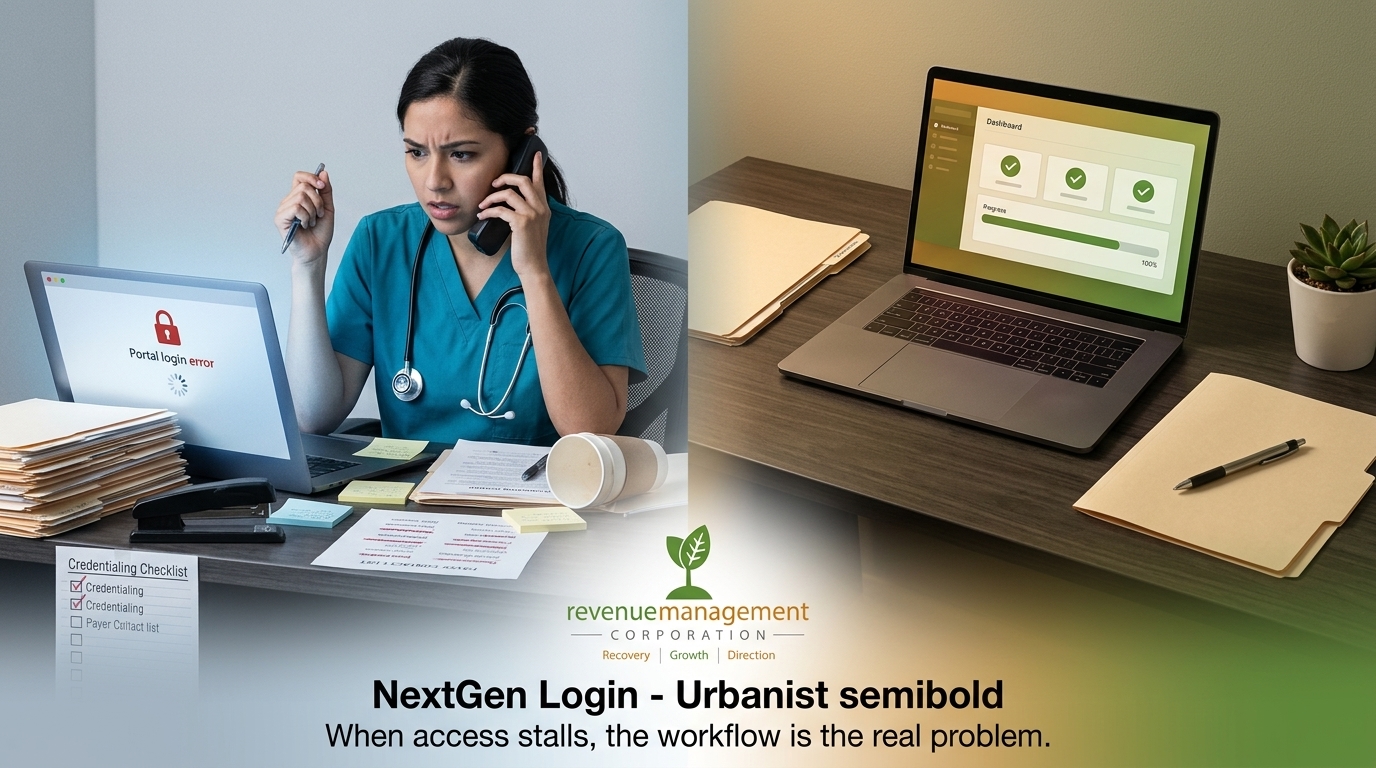
To overcome these challenges, streamlining your workflow is key. A focused approach can save time and reduce frustration.
Centralizing Portal Access
Centralizing portal access means fewer logins and smoother operations. By having one point of entry, tasks become easier to manage. This reduces the chance of errors and speeds up the credentialing process. With centralized access, you can maintain a clearer overview of each step in the workflow.
End-to-End Ownership Solutions
Taking ownership from start to finish ensures nothing slips through the cracks. When a single entity manages the entire credentialing process, accountability increases. This approach minimizes delays and confusion, leading to faster results and improved efficiency.
Effective Payer Follow-Ups
Effective follow-ups with payers are crucial for keeping credentialing on track. Regular communication ensures nothing is overlooked. Consistent follow-ups help avoid missed opportunities and keep the process moving. This proactive step can prevent potential setbacks and maintain momentum.
Benefits of Managed Credentialing Services
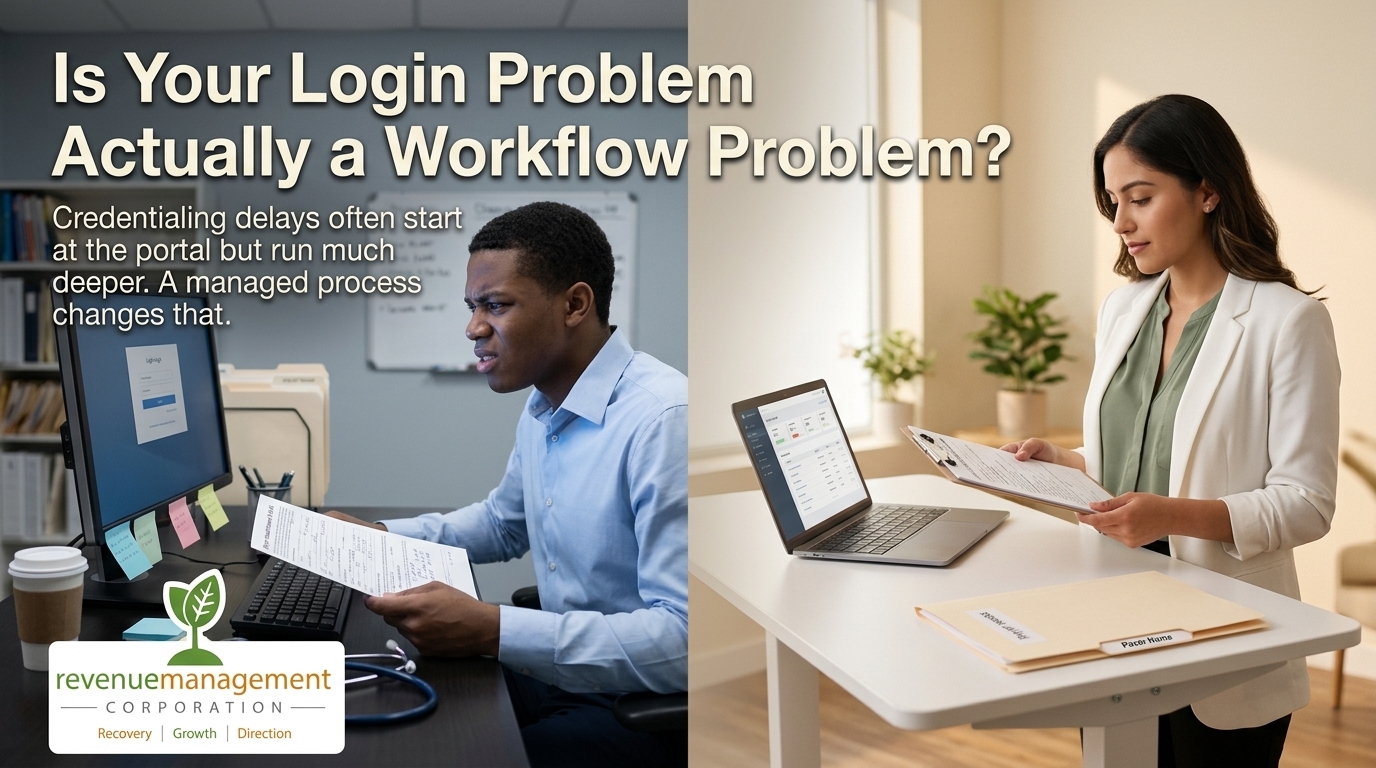
Managed credentialing services offer a way to streamline operations and improve outcomes.
Faster Enrollment and Reimbursement
By using managed services, enrollment and reimbursement times can be reduced. These services take the hassle out of the credentialing process, allowing your practice to focus on patient care. With faster processing, you can expect quicker reimbursements, enhancing cash flow.
Reducing Staff Burden
Managed services also lighten the load on your staff. By outsourcing credentialing, your team can focus on other essential tasks. This shift reduces stress and improves workplace morale. With fewer administrative burdens, staff can work more efficiently.
RMC’s Expert-led Solutions
RMC offers expert-led solutions to streamline credentialing. With years of experience, they know how to tackle complex challenges. By choosing RMC, you get a partner dedicated to simplifying the credentialing process. Explore how RMC can help your practice thrive here.
Frequently Asked Questions
What causes credentialing delays?
Credentialing delays are often caused by fragmented workflows and misaligned processes. When multiple systems and portals are involved, coordination issues arise, leading to bottlenecks and delays.
How can centralizing portal access help?
Centralizing portal access reduces the need for multiple logins and simplifies operations. It ensures that all processes are accessible from a single point, improving efficiency and reducing the risk of errors.
What are the benefits of managed credentialing services?
Managed credentialing services offer faster enrollment and reimbursement, reduce staff burden, and streamline operations. They allow healthcare practices to focus on patient care while ensuring efficient credentialing processes.
How does RMC help with credentialing?
RMC provides expert-led solutions that streamline the credentialing process. With years of experience, they handle complex challenges and offer comprehensive support, helping practices navigate the intricacies of credentialing with ease.
https://rmcbillingoptions.com/
Recent Comments