

Most practices chase the newest software, hoping it will fix workflow, revenue, and patient access on its own. The problem is, new technology rarely delivers results without strong credentialing, revenue cycle, and marketing support behind it. If your practice feels stuck under piles of paperwork and delayed enrollments, you’re not alone—and there’s a better way to turn healthcare modernization into earlier revenue and less administrative burden. Learn more about modernizing your healthcare revenue cycle.
Achieving Healthcare Modernization
Overcoming Operational Complexities
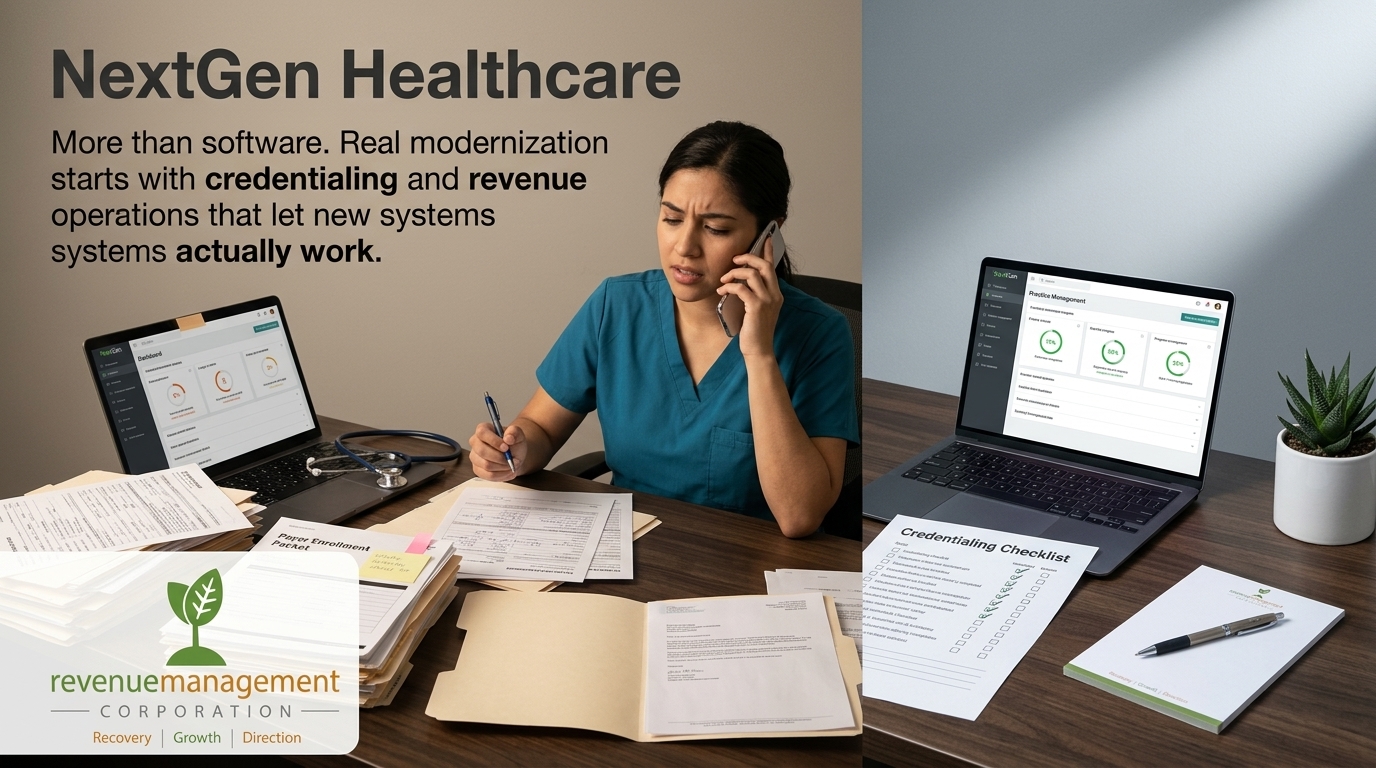
Feeling buried under operational tasks? This is a common challenge in healthcare practices. Modernization is not just about adopting new software; it’s about simplifying operational complexities. Many practices find themselves overwhelmed by administrative tasks that hinder progress. It’s crucial to tackle these issues head-on to pave the way for smoother operations.
The Role of Medical Credentialing
Credentialing is pivotal in ensuring your practice operates efficiently. Without it, you risk losing patients to competitors. Credentialing helps maintain in-network status, keeping referrals and reimbursements on track. By streamlining credentialing, you reduce delays and improve growth. Consider how simplifying this process can enhance your practice’s overall performance.
Payer Enrollment and Revenue Cycle Management
Managing payer enrollment and revenue cycles is vital for financial health. Efficient processes ensure timely reimbursements and reduce administrative burdens. These elements form the backbone of a thriving practice. By focusing on these areas, you can transform potential losses into steady revenue streams. This strategic focus sets the stage for a more prosperous practice.
Building Practice Management Efficiency

Reducing Administrative Burden
Administrative tasks can drain your resources. Reducing this burden starts with identifying inefficiencies. Streamlining processes frees up time and resources, allowing you to focus on patient care. With less paperwork, your team can operate more effectively, leading to improved patient satisfaction and a more productive practice environment.
Earlier Revenue Capture Strategies
Capturing revenue promptly requires strategic planning. Implementing efficient billing practices is essential. By focusing on accurate and timely billing, you can enhance cash flow and financial stability. This proactive approach ensures your practice captures revenue earlier, reducing stress and improving financial performance.
EHR Implementation Support and Best Practices
Implementing Electronic Health Records (EHR) should be seamless, not stressful. With the right support, you can integrate EHR systems without disrupting daily operations. Best practices include thorough training and ongoing support to ensure your team maximizes the benefits of EHRs. This integration can lead to improved patient care and streamlined operations.
Enhancing Practice Operations
The Impact of Healthcare Marketing Services
Marketing services play a crucial role in practice growth. Effective marketing strategies attract new patients and retain existing ones. By leveraging healthcare marketing services, you can enhance your practice’s visibility and reputation. This not only boosts patient numbers but also fortifies your practice’s position in the market.
Patient Access Optimization Techniques
Improving patient access is essential for satisfaction and retention. Techniques such as online scheduling and telehealth options make your practice more accessible. These improvements lead to better patient experiences and increased loyalty. By optimizing patient access, you strengthen the relationship between your practice and patients.
Claims Denial Prevention and AR Management
Preventing claims denials is key to maintaining revenue flow. Focus on accurate coding and documentation to minimize rejections. Effective Accounts Receivable (AR) management ensures timely collections and reduces outstanding balances. By addressing these areas, your practice can achieve financial stability and reduce stress.
Frequently Asked Questions
What is the importance of medical credentialing in healthcare practices?
Medical credentialing ensures that healthcare providers are qualified and meet industry standards. It helps maintain in-network status, which is crucial for patient referrals and timely reimbursements.
How can reducing administrative burden benefit healthcare practices?
Reducing administrative tasks frees up resources, allowing healthcare professionals to focus on patient care. This leads to improved patient satisfaction and a more efficient practice overall.
Why is payer enrollment significant for financial health?
Efficient payer enrollment ensures that your practice receives timely reimbursements from insurance providers, which is essential for maintaining steady cash flow and financial stability.
What role do healthcare marketing services play in practice growth?
Effective marketing strategies increase a practice’s visibility and reputation, attracting new patients and retaining existing ones. This ultimately boosts patient numbers and strengthens market position.
How does optimizing patient access improve satisfaction?
Techniques like online scheduling and telehealth options make a practice more accessible, leading to better patient experiences and increased loyalty. This strengthens the relationship between the practice and its patients.
https://rmcbillingoptions.com/
Recent Comments