
Billing headaches don’t start at claim submission—they begin when your EHR documentation and coding live in separate worlds. Those small mismatches create a ripple of delays, denials, and rework that drain your practice’s time and money. Aligning your medical coding workflow with documentation isn’t just an operational tweak; it’s a critical move to reduce friction and boost clean claims. Here’s how taking control early clears the path to stronger revenue performance. For more information, check out this resource on the benefits of integrated medical billing in EHR software.
Frustration with Billing Fixes
Dealing with billing issues can be a repetitive cycle for many healthcare practices. It starts with small errors that spiral into bigger problems, costing time and money.
Common Billing Breakdowns
Billing breakdowns often arise from various points of miscommunication and error. At the core, a simple documentation mistake can lead to a cascade of issues. For instance, if a patient’s treatment is recorded inaccurately, it might not align with the coding required for billing. This mismatch could result in claim denials from insurers, forcing your practice to spend more time on rework.
Moreover, the cycle of correcting these errors eats into valuable time that could be better spent on patient care. The impact is not just financial; it also affects staff morale. The frustration of dealing with constant billing obstacles wears down even the most dedicated teams. It’s essential to identify these common breakdowns early to prevent them from escalating.
Documentation-Coding Gaps
A significant issue lies in the gap between documentation and coding. When these two elements don’t align, the result is often inaccurate billing. This can happen when the documentation doesn’t fully capture the service provided, or when coding fails to reflect the documented care. Such discrepancies can delay reimbursements and increase the likelihood of claim denials.
To bridge this gap, practices need to ensure that their documentation is thorough and accurate. Training staff on proper coding and emphasizing the importance of precise documentation can mitigate these issues. By focusing on these areas, practices can improve their billing accuracy, leading to fewer delays and denials.
Aligning for Financial Success
Aligning your EHR documentation with coding can lead to significant financial benefits. It streamlines processes and reduces the likelihood of billing errors.
Practical Workflow Decisions
Making smart workflow decisions is crucial for aligning documentation and coding. Start by assessing your current processes. Identify where the disconnects occur and focus on improving these areas. Integrating your EHR system with billing procedures can simplify the workflow. This integration ensures that documentation and coding are consistent across the board.
Adopting a standardized process for documentation can also help. By having clear guidelines on how to record patient data, you minimize the chances of errors. Training staff to understand the importance of these workflows further reinforces their effectiveness. By prioritizing these practical decisions, you set your practice up for smoother operations and better financial performance.
Reducing Claim Friction
Claim friction is a common issue when documentation and coding aren’t aligned. This friction can delay reimbursements and increase administrative burdens. By focusing on reducing these points of friction, your practice can improve cash flow and efficiency.
One way to reduce claim friction is through regular audits. These audits help identify discrepancies before they result in claim denials. Additionally, using automated systems can streamline the process, reducing the likelihood of human error. By addressing these pain points, practices can ensure smoother claims processing and faster revenue cycles.
Control and Consistency in Practice
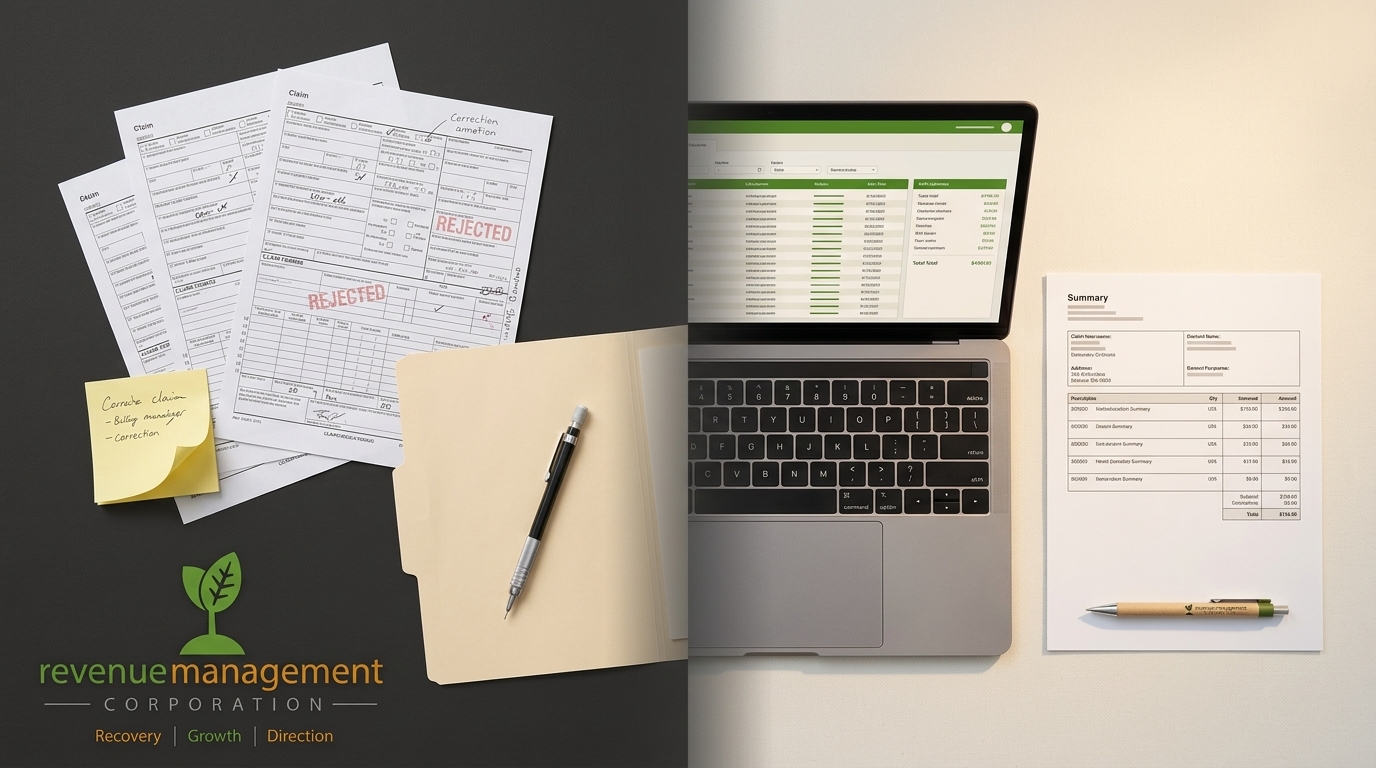
Achieving control and consistency in your billing processes can significantly impact your practice’s bottom line. It leads to fewer errors and more predictable revenue streams.
Benefits of Clean Claims
Clean claims are essential for maintaining financial health. When claims are accurate and complete, they are processed faster by insurers, leading to quicker reimbursements. This improved cash flow can be reinvested into the practice, enhancing patient care and operational efficiency.
Additionally, clean claims reduce the administrative burden on staff. With fewer errors to correct, your team can focus on more value-added activities. This not only boosts morale but also improves overall productivity. By striving for clean claims, you ensure that your practice operates smoothly and efficiently.
Streamlining Credentialing and Enrollment
Streamlining credentialing and enrollment is another way to enhance your practice’s operations. When these processes are efficient, it reduces the time and effort needed to onboard new providers and maintain compliance with insurers. This efficiency translates to improved patient access and more consistent revenue streams.
By adopting automated systems for credentialing, you can avoid common mistakes and ensure timely enrollments. This proactive approach helps prevent delays that can disrupt patient care and revenue collection. By prioritizing streamlined credentialing, your practice can focus on providing high-quality care without administrative distractions.
Frequently Asked Questions
Why is aligning documentation and coding important?
Aligning documentation and coding is crucial because it reduces errors that can lead to claim denials and delays. When these elements are consistent, billing processes become more accurate and efficient.
How can we reduce claim denial rates?
To reduce claim denial rates, focus on ensuring accurate documentation and coding. Regular audits and automated systems can help identify and correct errors before claims are submitted.
What benefits do clean claims offer?
Clean claims lead to faster reimbursements and improved cash flow. They also reduce administrative burdens, allowing staff to focus on more critical tasks.
How does credentialing impact practice revenue?
Efficient credentialing ensures timely enrollment with insurance providers, facilitating smoother patient access and consistent revenue streams. It prevents delays that can affect cash flow.
Can EHR integration improve billing processes?
Yes, integrating EHR systems with billing processes streamlines documentation and coding, reducing errors and enhancing billing accuracy. This integration leads to more efficient revenue cycles.
https://rmcbillingoptions.com/
Recent Comments