
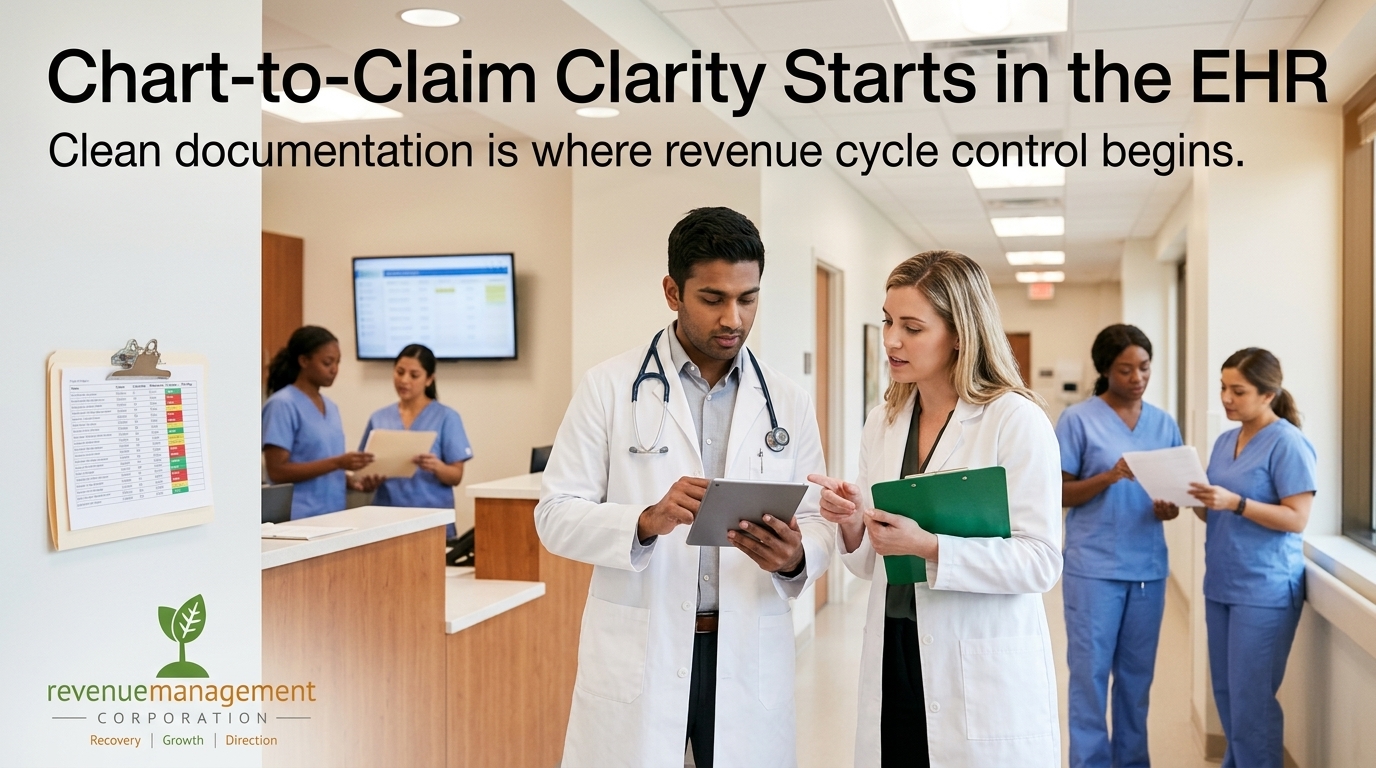
Clean visits turning into messy claims waste your time and cut into your revenue. It often starts in the EHR, where missing details or inconsistent documentation create avoidable billing delays and denials. Getting chart-to-claim clarity means setting up your documentation to support accurate claims from the start. This post gives you a clear, end-of-summer checklist to protect your revenue before the autumn surge hits. For further insights, visit this resource.
EHR Documentation: Revenue Foundation
The way you document in the EHR lays the groundwork for financial success. When errors occur here, they ripple through to claims. Understanding common pitfalls helps you avoid these issues.
Common Documentation Pitfalls
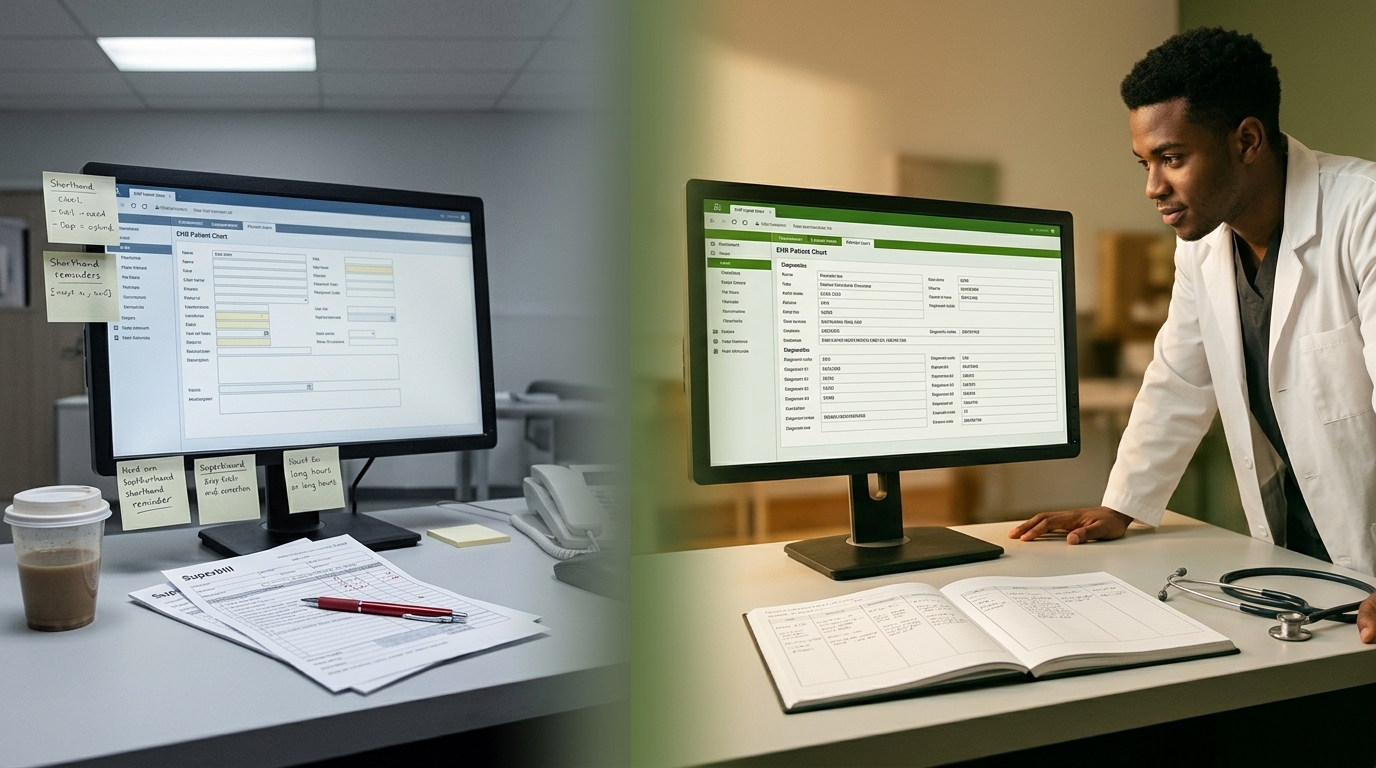
Documentation errors often stem from inconsistent charting habits. Missing information or unclear notes create roadblocks. For instance, if a diagnosis code is incomplete, it can lead to claim rejections. Ensure every note is thorough. Another pitfall is outdated templates. Using old templates can lead to inaccuracies. Update your templates regularly to reflect current coding standards.
Inadequate training is another issue. Staff may not fully understand EHR functions. Regular training sessions can resolve this. Clear guidelines and checklists help maintain consistency. A small oversight can cascade into larger problems. By focusing on accuracy and training, you prevent many documentation errors.
Reducing Revenue Leakage in Healthcare
Preventing revenue loss starts with documentation. Accurate records lead to cleaner claims. Use a systematic approach. Begin by reviewing your current processes. Identify where errors occur most frequently. This helps you target improvements effectively. Streamlining your workflow can also reduce errors.
Regular audits are crucial. They reveal gaps in your process and highlight areas for improvement. Implement corrective actions promptly to avoid future issues. Consistent monitoring keeps your team accountable. By addressing these key areas, you minimize revenue leakage. This proactive approach ensures your claims process runs smoothly.
Charting to Payment: A Clear Path
Charting is your first defense against denied claims. When done correctly, it guides your claims through the payment process seamlessly. Here’s how you can achieve this clarity.
Accurate Claims Begin with Documentation
Every claim starts with documentation. Without precision, claims face hurdles. Start by ensuring your documentation is thorough. Each entry should be complete and clear. Use specific language to avoid ambiguity. This prevents misunderstandings that lead to denials.
Collaborate with your billing team. They can provide insights on common documentation errors. Use their feedback to improve your processes. Regular communication between teams enhances accuracy. This teamwork sets the foundation for clean claims. Remember, the goal is to create a seamless transition from charting to payment.
EHR as a Revenue Tool
Think of your EHR as more than just a record-keeping system. It is a tool that drives revenue. By optimizing its use, you streamline your billing process. Customize EHR templates to match your practice’s needs. This ensures all necessary information is captured from the start.
Leverage technology to automate routine tasks. This reduces the likelihood of human error. Automation also frees up time for your staff to focus on other tasks. By viewing your EHR as a revenue tool, you unlock its full potential. This mindset shift is crucial for maximizing efficiency.
Preparing for the Autumn Surge
As patient volume increases in the fall, being prepared is essential. A specific checklist ensures your practice is ready to capitalize on this opportunity.
End-of-Summer Checklist for Practices
-
Review Documentation Practices: Ensure all staff are following the same guidelines.
-
Update EHR Templates: Make sure templates reflect the latest coding standards.
-
Schedule Training Sessions: Refresh staff on EHR functionalities and documentation standards.
-
Conduct a Mock Audit: Identify potential issues before they become problems.
-
Optimize Workflow: Streamline processes to handle increased patient loads efficiently.
Taking these steps prepares your practice for the busy season. By addressing potential issues now, you prevent disruptions later. This proactive approach ensures you capture maximum revenue during the autumn surge.
Engage RMC for a Consultation
If you’re ready to enhance your practice’s financial performance, consider consulting with RMC. Our expertise in revenue cycle management and EHR optimization can transform your processes. We provide tailored solutions that align with your practice’s goals.
Don’t wait until it’s too late. Engaging with RMC ensures you have the support you need to succeed. Contact us today to explore how we can help streamline your operations and protect your revenue.
Frequently Asked Questions
What are the most common EHR documentation errors?
Common errors include incomplete diagnosis codes, outdated templates, and inconsistent charting. These can lead to claim denials and revenue loss.
How can EHR optimization improve financial performance?
Optimizing EHR use streamlines billing processes and reduces errors. This leads to cleaner claims and faster payments, enhancing financial performance.
Why is regular training important for EHR users?
Regular training ensures staff are familiar with the latest EHR functionalities and documentation standards. This helps maintain accuracy and consistency in patient records.
https://rmcbillingoptions.com/
Recent Comments